
Building a Successful Digital Product Website
Building a Successful Digital Product Website
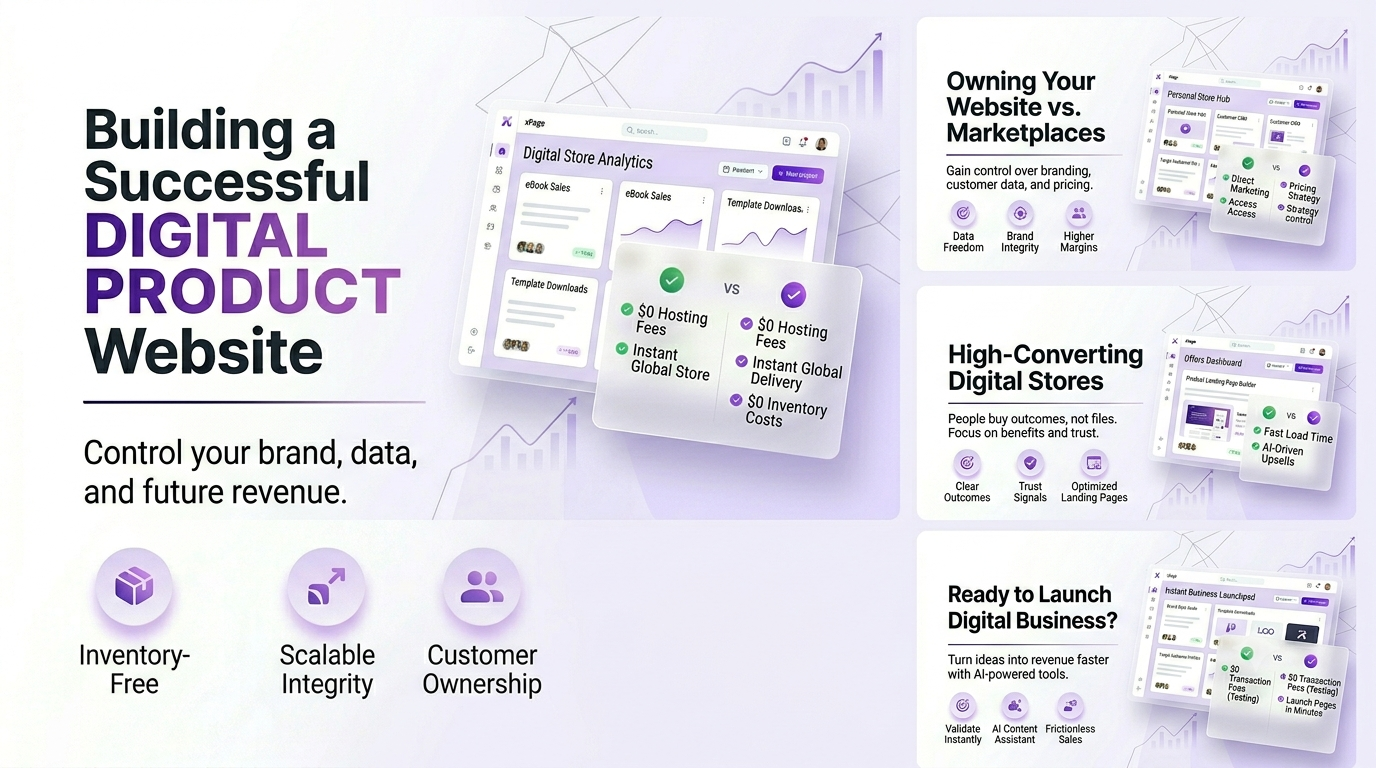
The digital economy continues to grow rapidly, creating opportunities for entrepreneurs, creators, educators, designers, and software developers to generate income online. Unlike physical products, digital products can be delivered instantly, have low operational costs, and can be sold worldwide without inventory management.
Whether you're selling templates, eBooks, courses, software, digital art, guides, memberships, or downloadable resources, having a professional digital product website is one of the most important factors for long-term success.
Many creators focus on making great products but overlook the platform and website experience that actually converts visitors into customers.
This guide explains how to build a successful digital product website, choose the best platform, and maximize sales.
Why Digital Products Are Growing So Fast
Digital products offer several advantages compared to traditional physical goods.
Benefits include:
- No inventory costs
- Instant delivery
- Global reach
- Higher profit margins
- Easy scalability
- Automated fulfillment
- Lower startup costs
Because of these advantages, more entrepreneurs are searching for ways to start selling digital products online and create sustainable income streams.
However, success requires more than simply uploading a file and waiting for sales.
Choosing the Right Platform
One of the first questions creators ask is
Where to sell digital products?
The answer depends on your business goals.
Some creators prefer marketplaces that already have built-in audiences. Others prefer owning their own website and customer relationships.
Popular options include:
- Dedicated digital product marketplaces
- Personal eCommerce websites
- Course platforms
- Membership platforms
- AI-powered online store builders
The best solution often combines both marketplace exposure and an independently owned website.
Why Owning Your Website Matters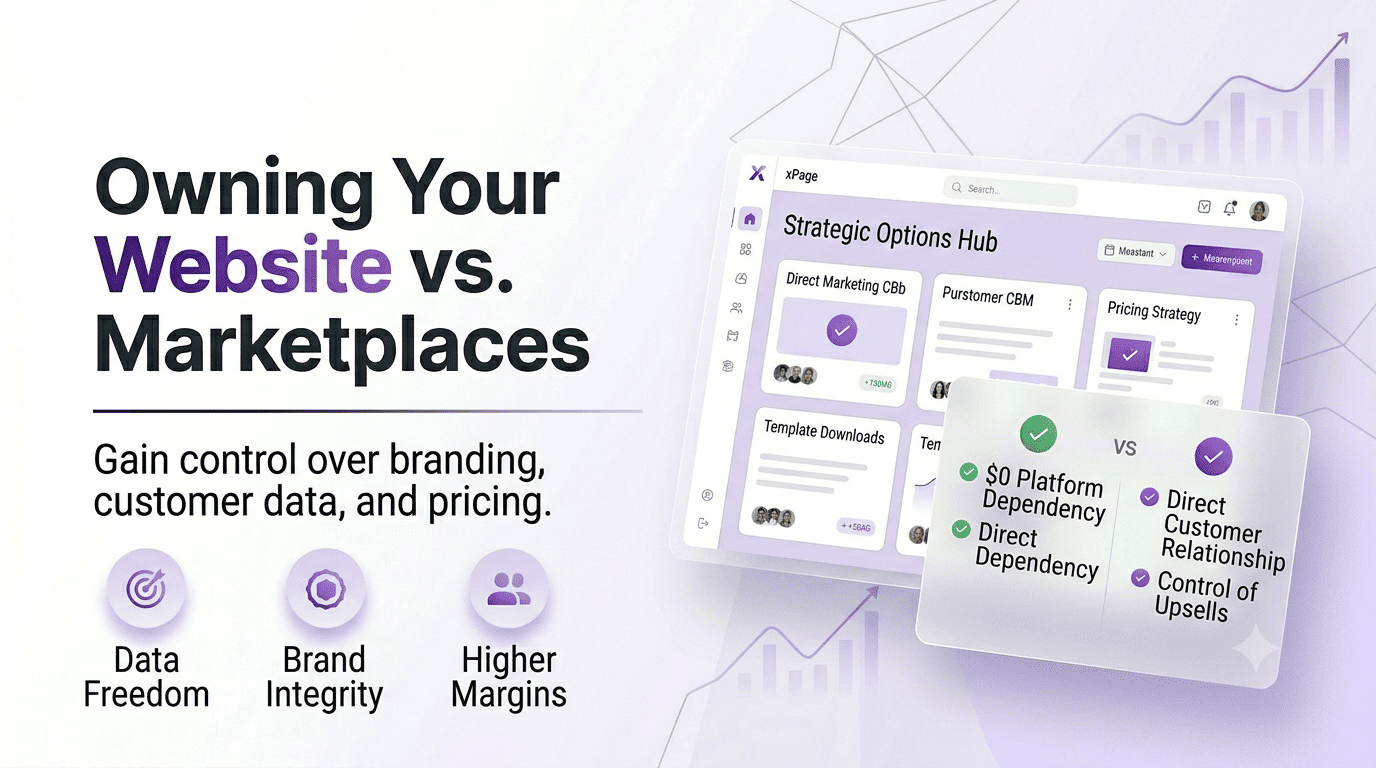
Marketplaces can generate initial traffic, but relying entirely on third-party platforms creates limitations.
When you own your website, you gain control over:
- Branding
- Customer data
- Pricing
- Marketing
- Upsells
- Email lists
- Long-term business growth
This is why many successful creators eventually build their own digital product stores rather than relying exclusively on marketplaces.
Your website becomes a long-term business asset.
Building High-Converting Digital Product Stores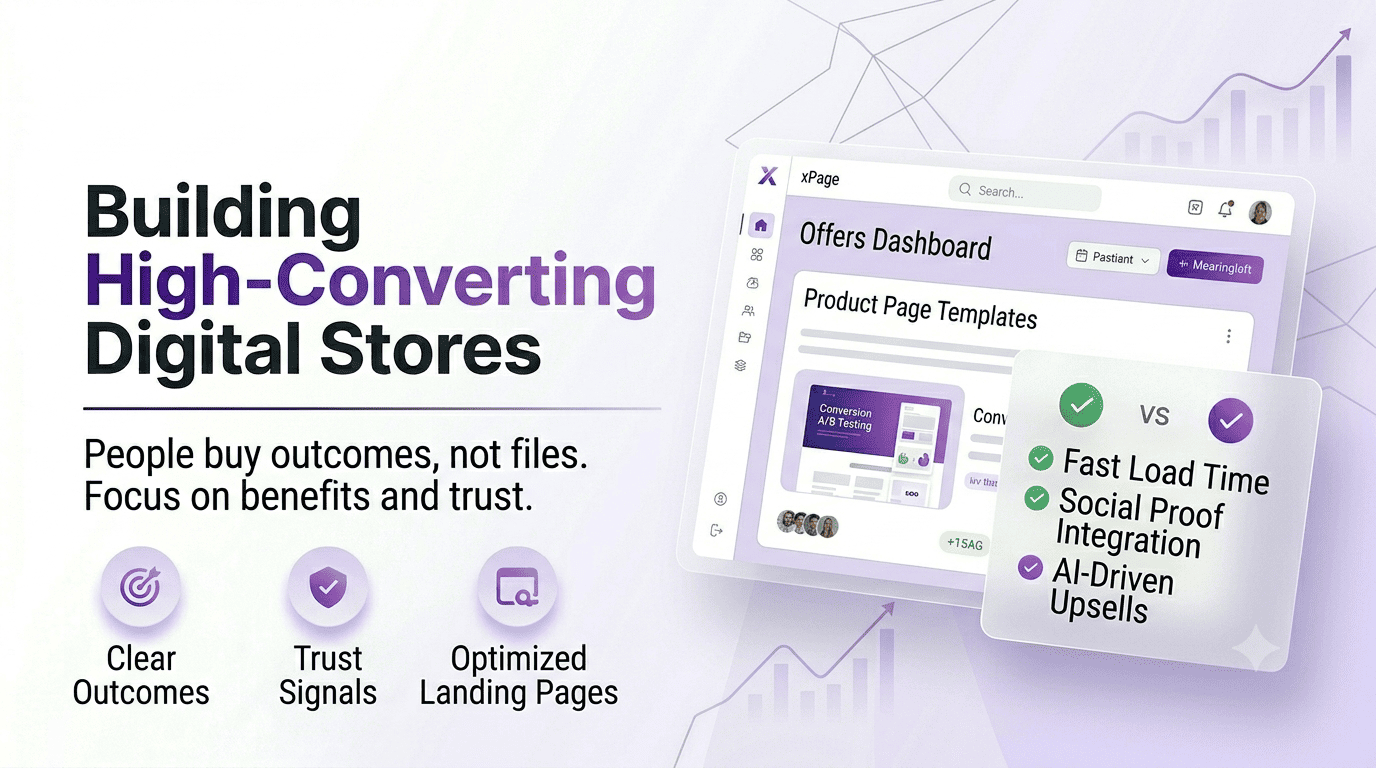
A successful digital product website should focus on conversions.
Visitors need to quickly understand:
- What you're selling
- Who it's for
- Why it's valuable
- How it solves a problem
- Why they should buy now
The most successful digital product stores typically include the following:
Clear Product Pages
Every product page should explain:
- Features
- Benefits
- Use cases
- Screenshots
- Examples
- Testimonials
People buy outcomes, not files.
Focus on how the product helps customers achieve a specific goal.
Strong Landing Pages
Landing pages often outperform generic storefronts because they focus attention on a single offer.
Modern platforms such as xPage help creators build conversion-focused landing pages quickly using AI-powered workflows designed specifically for online selling.
This can be especially valuable for creators launching new products or testing offers.
Trust Signals
Customers need confidence before purchasing.
Trust-building elements include:
- Reviews
- Testimonials
- Success stories
- Guarantees
- Security badges
- Social proof
Even a small amount of credibility can significantly improve conversion rates.
Selling Digital Products Online Successfully
Many creators struggle because they focus only on creating products.
Success usually comes from combining product quality with effective marketing.
Key channels include the following:
Search Engine Optimization
SEO allows potential customers to discover your products through search engines.
Publishing helpful blog content related to your niche can attract qualified traffic over time.
Email Marketing
Email remains one of the highest-converting marketing channels.
Benefits include:
- Direct audience ownership
- Repeat sales
- Product launches
- Promotions
- Customer retention
Building an email list early creates long-term value.
Social Media
Social platforms help creators:
- Build audiences
- Demonstrate expertise
- Share customer success stories
- Promote launches
Consistent content often drives significant traffic to digital product stores.
Best Platform for Selling Digital Products
Many entrepreneurs ask:
What is the best platform for selling digital products?
The answer depends on your priorities.
Shopify
 Shopify is one of the most popular eCommerce platforms and supports digital products through apps and integrations.
It offers:
- Large ecosystem
- Extensive customization
- App marketplace
- Established infrastructure
However, creators may need multiple apps and additional configuration to create a complete digital product workflow.
Gumroad
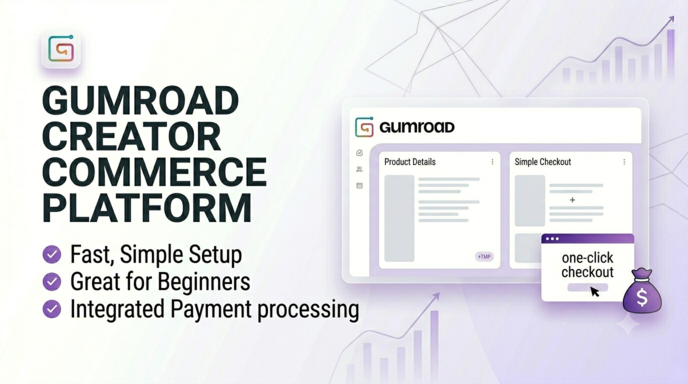 Gumroad is widely known among creators because of its simplicity.
It allows users to start selling quickly with minimal setup.
However, customization and branding options can be more limited compared to having your own website.
Podia
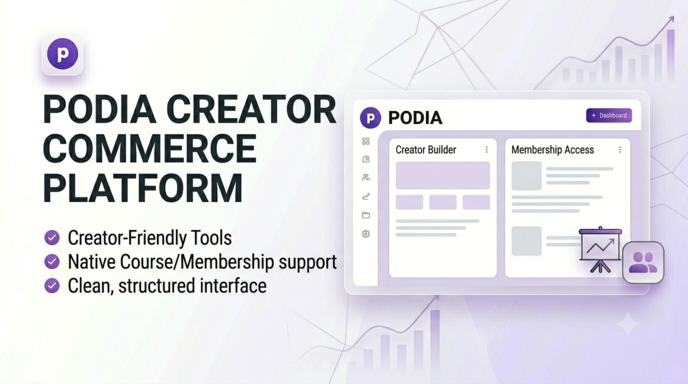 Podia focuses heavily on creators selling:
- Courses
- Memberships
- Downloads
- Digital resources
It offers a creator-friendly experience with built-in selling tools.
xPage
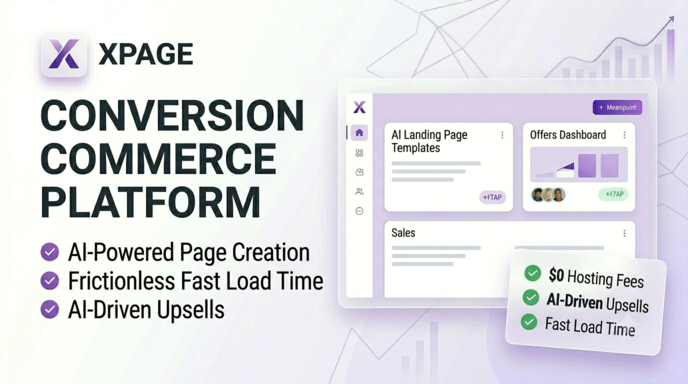 xPage takes a different approach by helping creators build AI-powered digital product websites and landing pages faster.
Instead of spending significant time designing pages manually, creators can focus on launching offers, testing products, and optimizing conversions.
For entrepreneurs seeking speed, flexibility, and modern AI-assisted workflows, xPage provides an interesting alternative to traditional website builders.
Where to Sell Digital Products for Free
Beginners often ask:
Where to sell digital products for free?
Several platforms offer free entry points, including marketplace-based solutions and creator platforms.
However, "free" often comes with limitations such as the following:
- Transaction fees
- Branding restrictions
- Limited customization
- Reduced marketing control
Free options can be excellent for testing ideas.
But serious creators usually move toward dedicated websites once they validate demand.
Where to Sell Digital Goods
The best location depends on your audience.
Popular places include:
- Personal websites
- Creator marketplaces
- Course platforms
- Community platforms
- Membership sites
- Digital download marketplaces
Rather than choosing only one platform, many successful businesses combine multiple channels.
This creates diversification and reduces dependency on a single traffic source.
How to Sell Digital Goods Online More Effectively
Successful creators typically follow a simple process:
Step 1: Identify a Problem
People buy solutions.
Find a specific challenge your audience faces.
Step 2: Create a Valuable Product
Focus on helping customers achieve measurable outcomes.
Step 3: Build a Professional Website
A strong website increases credibility and conversion rates.
Step 4: Create Supporting Content
Blog articles, videos, guides, and social content help attract organic traffic.
Step 5: Optimize Continuously
Monitor:
- Conversion rates
- Traffic sources
- Customer feedback
- Sales performance
Small improvements often create significant growth over time.
Common Mistakes to Avoid
Many creators make avoidable mistakes when building digital product businesses.
Poor Product Positioning
Customers should immediately understand the value proposition.
Weak Product Pages
Product pages that lack examples, benefits, or social proof often struggle to convert.
Ignoring SEO
Search traffic can become one of the most profitable acquisition channels.
Overcomplicated Design
Simple and clear websites usually outperform overly complex designs.
Relying on One Platform
Diversification protects your business from unexpected changes.
Future of Digital Product Websites
AI is changing how entrepreneurs build and sell online.
Modern tools now help automate:
- Website creation
- Product pages
- Landing pages
- Content generation
- Marketing workflows
Platforms like xPage represent this next generation of digital commerce by reducing the time required to launch and optimize online businesses.
Creators can focus more on building valuable products and less on technical setup.
Final Thoughts
Building a successful digital product website requires more than creating a good product.
You need:
- A strong platform
- Clear product pages
- Effective marketing
- Trust-building elements
- Consistent optimization
For creators asking where to sell digital products, where to sell digital goods, or searching for the best platform for selling digital products, the answer often starts with owning your website and building a direct relationship with customers.
While marketplaces can provide visibility, long-term success usually comes from controlling your brand, audience, and customer experience.
The digital economy continues to expand, creating opportunities for creators worldwide. With the right strategy, platform, and execution, digital products can become a highly scalable and profitable business model.
Ready to Launch Your Digital Product Business?
Don't let complicated tools or lengthy setup processes slow you down. Whether you're selling templates, courses, software, eBooks, or other digital goods, having the right website can make all the difference.
With xPage, you can create professional digital product websites and high-converting landing pages in minutes using AI-powered tools designed for modern creators and entrepreneurs.
Start building your digital product website today and turn your ideas into revenue faster with xPage.